What’s actually happening inside your Bokashi bin
Bokashi works through fermentation, not decomposition.
That’s the key difference.
In a normal compost heap, food waste breaks down through aerobic decomposition — which relies on oxygen and often leads to:
- nutrient loss
- inconsistent breakdown
- and, if it goes wrong, unpleasant smells
Bokashi does something different.
It uses beneficial microbes in an airtight (anaerobic) environment to ferment the food waste instead.
The role of microbes
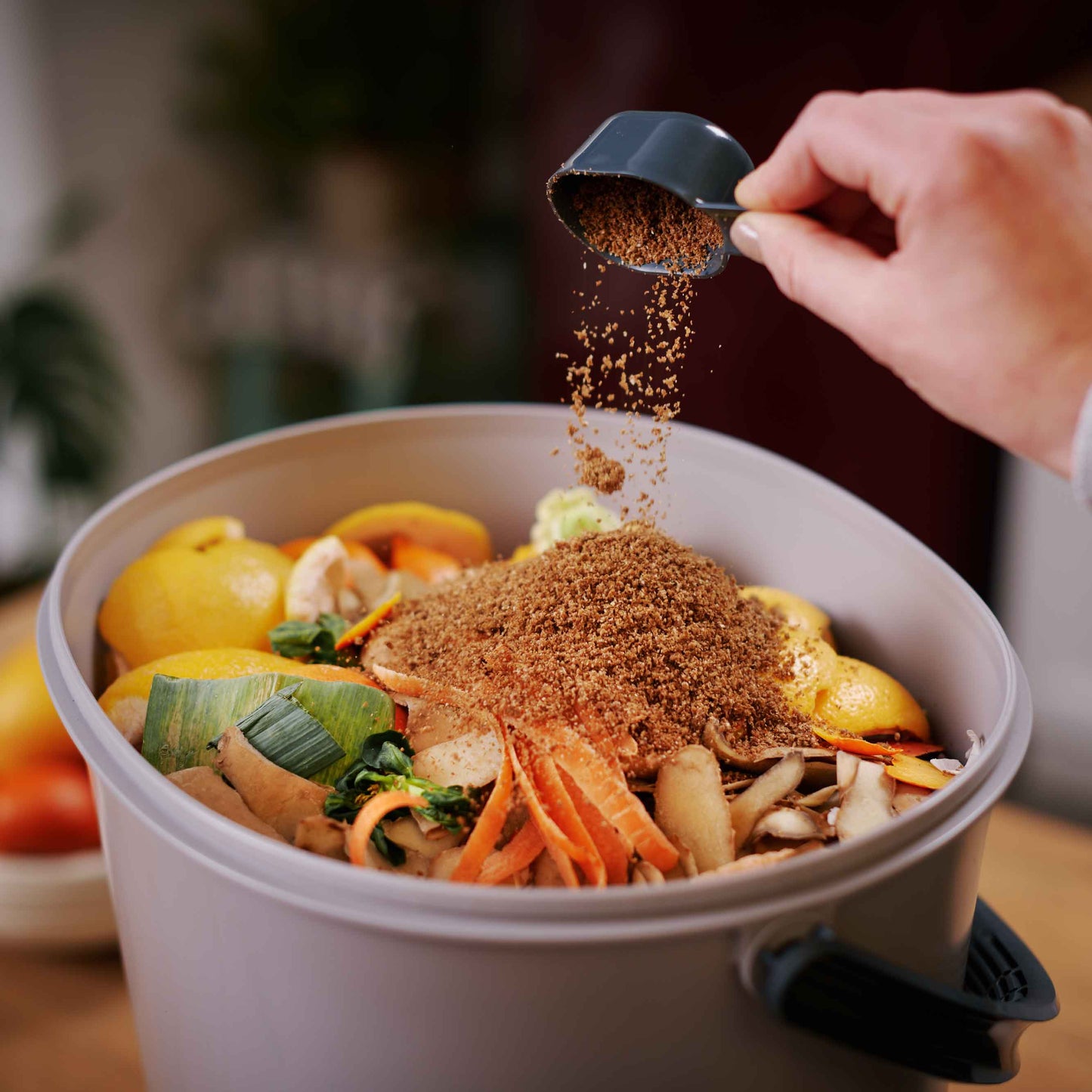
When you add Bokashi Bran:
- beneficial bacteria begin to dominate
- oxygen is removed as the waste is pressed down
- microbial activity shifts from “rotting” to “fermenting”
These microbes — often referred to as lactic acid bacteria, yeasts and photosynthetic bacteria — work together to:
- preserve nutrients
- prevent harmful bacteria taking over
- stabilise the material
👉 This is a controlled biological process, not decay.
Fermentation vs rotting (why this matters)
Rotting:
- releases nutrients into the air
- produces foul smells
- loses value before it reaches the soil
Fermentation:
- locks nutrients into the material
- produces organic acids
- suppresses harmful microbes
- preserves energy and structure
👉 You’re keeping the value of the food waste, not losing it.
Why there are no bad smells
Because the process is anaerobic and controlled:
- the “wrong” bacteria don’t take hold
- putrefaction is avoided
- odours are kept minimal
You may notice a slightly sweet or sharp fermented smell — that’s normal.
It’s the same type of smell you get from:
- sauerkraut
- yoghurt
- or silage
👉 It’s a sign the process is working.
What happens when you add it to soil
This is where the second stage begins.
Once Bokashi-treated material is added to soil or compost:
- soil microbes take over
- fungi begin to colonise the material
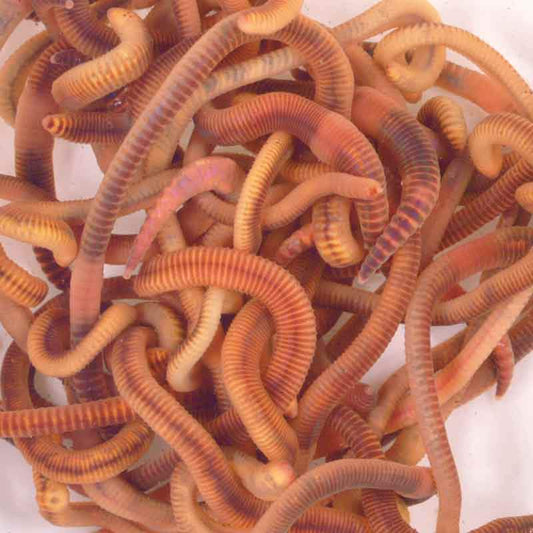
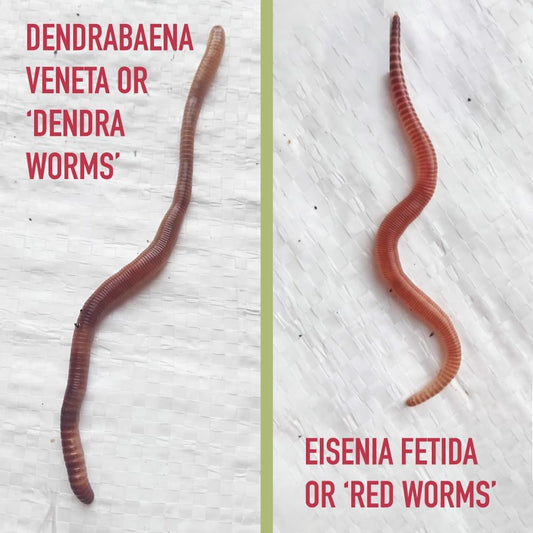
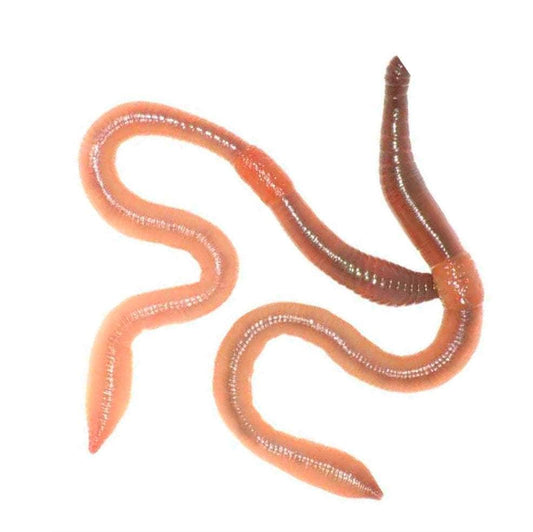
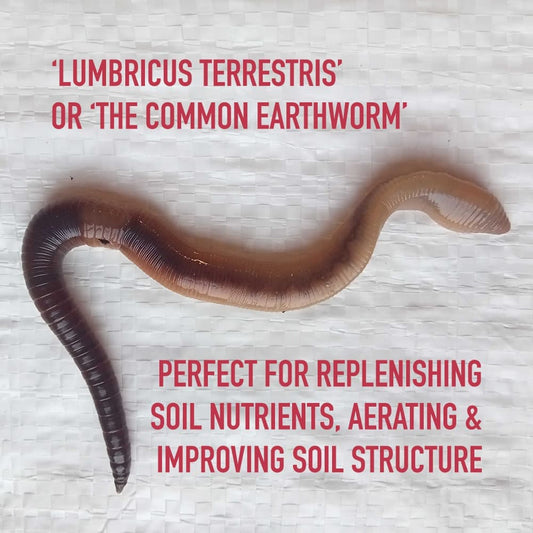
- worms are attracted quickly
- decomposition speeds up dramatically
The fermented material is already “pre-digested”, so soil life can access it much faster.
The soil biology effect
Bokashi doesn’t just deal with waste.
It actively supports the soil food web:
- bacteria populations increase
- fungi establish more easily
- organic matter is integrated more efficiently
- soil structure improves
Over time, this leads to:
- better aeration
- improved water retention
- more resilient soil
- more nutrient availability for plants
Why wheat bran works so well
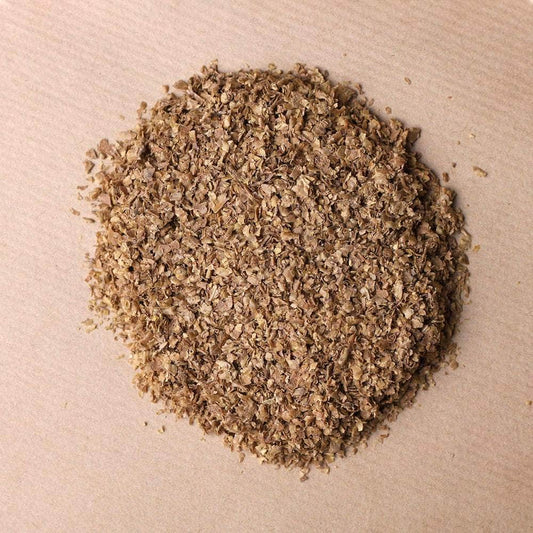
We use wheat bran because it’s ideal for carrying microbial life.
It:
- has a large surface area
- absorbs and holds microbes effectively
- distributes evenly through food waste
- is a byproduct — making it a sustainable input
It’s a simple material, but biologically very effective.
Why fermentation is stabilised
After fermentation, we dry and stabilise the bran.
This is important.
It means:
- microbes remain viable but dormant
- the product stores well
- performance is consistent
- it’s easy to handle and apply
👉 It becomes active again as soon as it’s used.
The important bit
Bokashi only works properly if:
- the right microbes are present
- fermentation is done correctly
- conditions are consistent
That comes down to how it’s made.
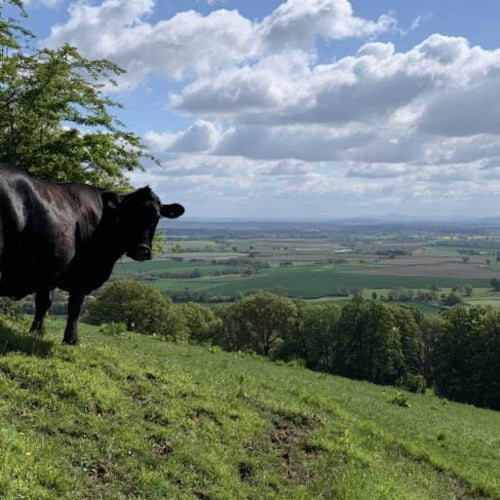
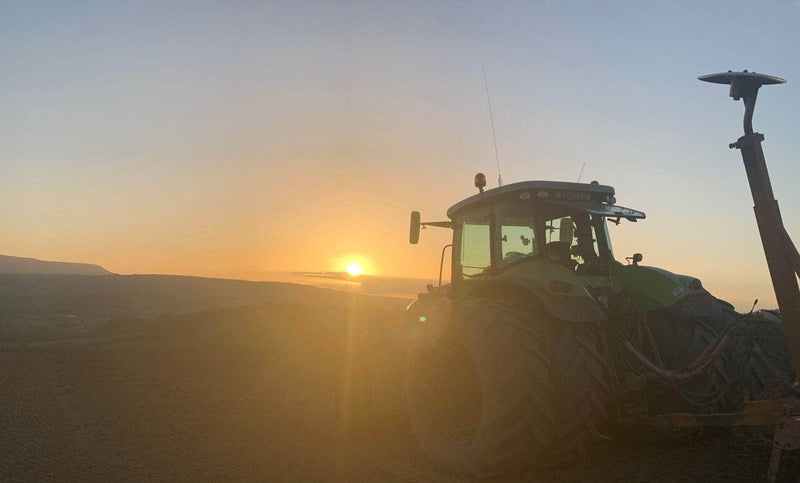
Which is why we produce it ourselves, in controlled 3 tonne batches, here on the farm.
The simple takeaway
This isn’t complicated science.
It’s just using microbes properly —
to turn waste into something valuable again.